

 Ashleigh Whaley
12 Conflicts Worth Engaging in with Your Children.
Parenting is a challenging endeavour, that demands continuous effort and a watchful eye. Our aim as parents is to nurture, educate, and support our children, as we steer them towards a successful adulthood. Whilst parents need to thoughtfully choose their battles, here are 12 conflicts worth engaging in with your children….
1. The Outdoor Conflict.
The natural world is a boundless learning arena, offering invaluable discoveries and life lessons. Encourage your children to spend time outdoors. There’s nothing quite like fresh air, sunlight, and outdoor physical activity. Nature always provides opportunities for exploration, wonder, joy, creativity and tranquillity

Teach your children how to seek and encounter all the wonders that God has provided for them to discover within their surrounding environment, whether it be within your garden or in nearby parks and open spaces.
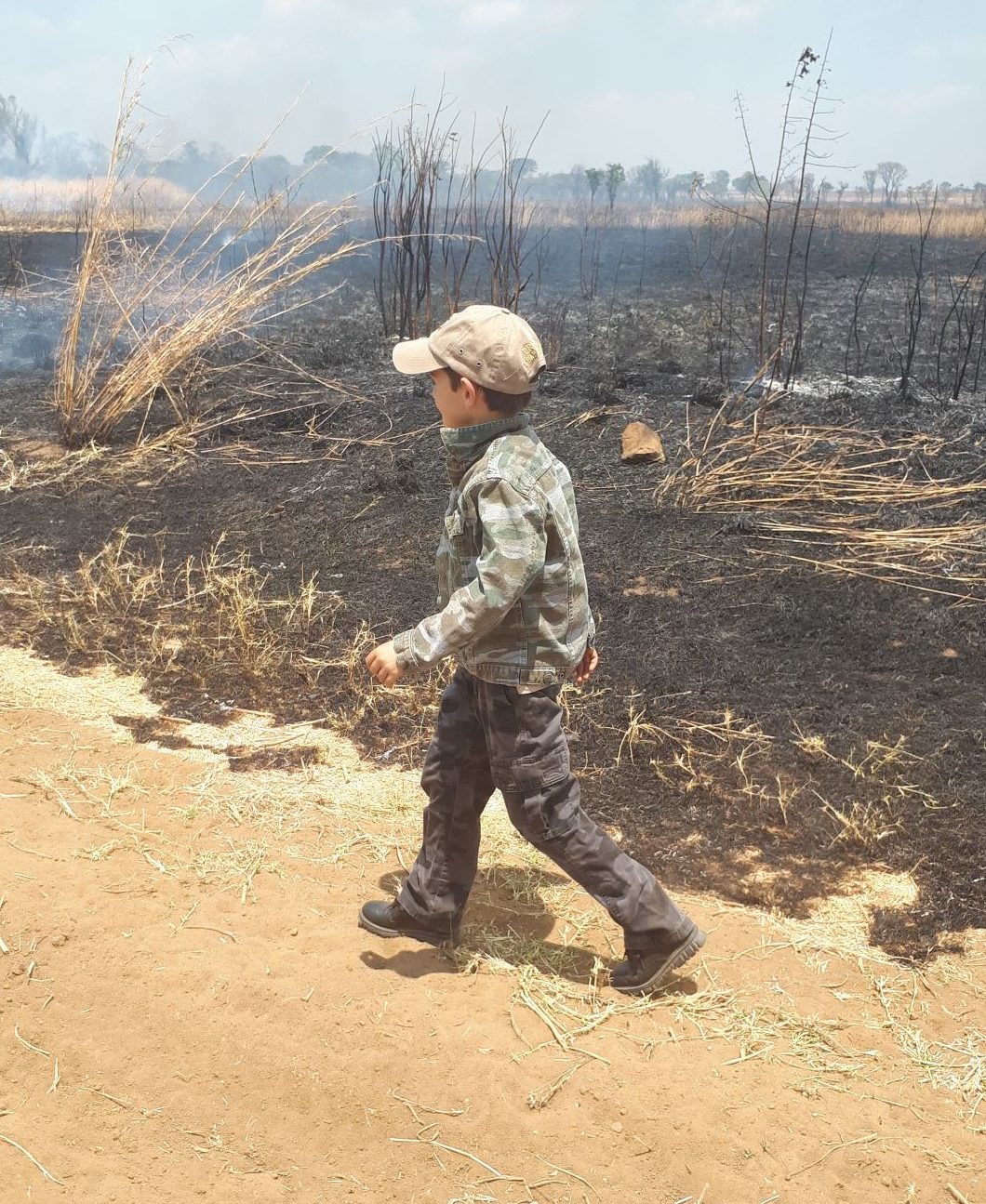
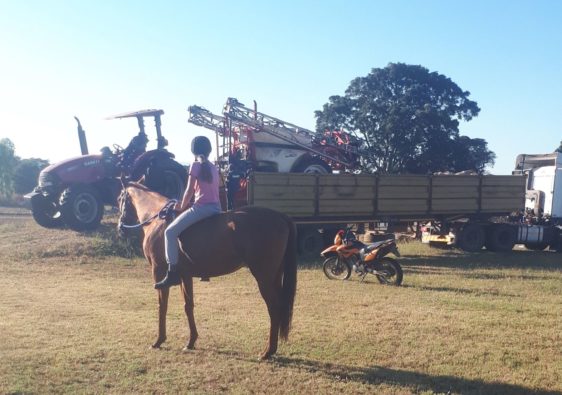
Starting outside activities at a young age is recommended, even if the weather conditions aren’t ideal. Our children have been blessed to have spent much time outdoors and they always enjoy their many outdoor activities, for example; farming, horse riding, boating and fishing.

Here, in Africa, we are blessed with good weather, regardless of the season, but in areas of the world where weather can be a challenge, one needs to take every window of opportunity and, of course, provide adequate clothing and the necessary tools for outdoor exploration and activities. Always bear in mind the fact that children seem to handle challenging weather conditions better than adults…
2. The Reading Conflict.
Always encourage your children to read! Read to them, starting when they are very little, and give them picture books in their early years. Reading is essential for cognitive development and concentration. When they are ready to read, an effective phonics program will help them find the joy of reading.
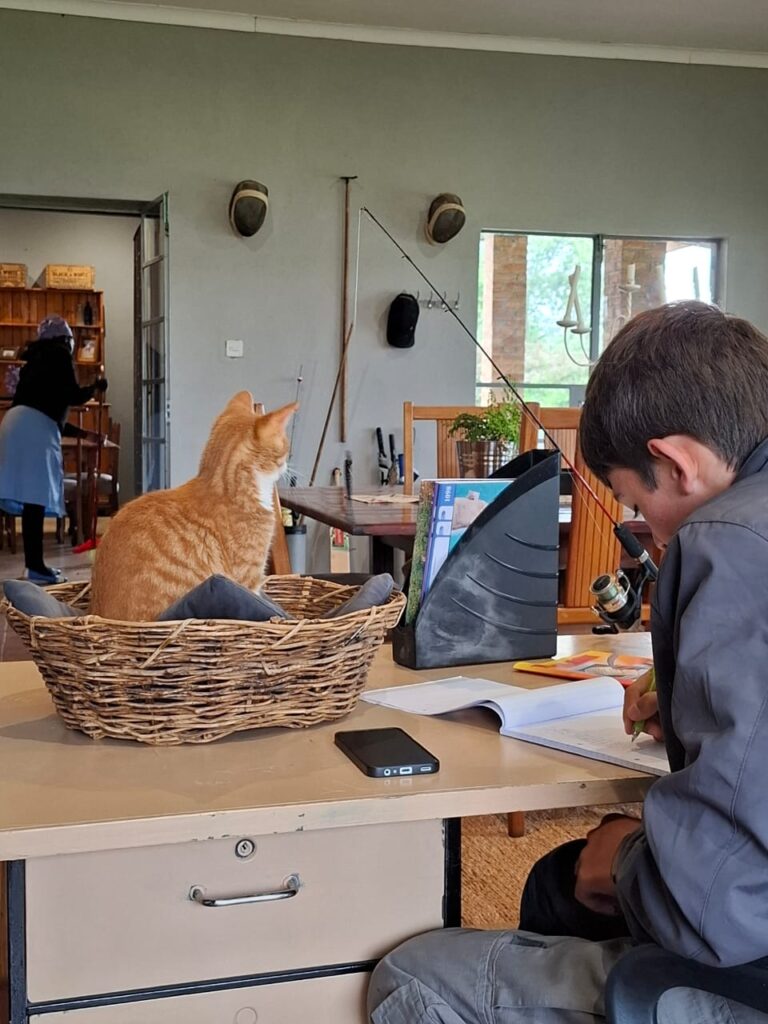
Always take into consideration the fact that children are only ready to start reading themselves, after they reach a certain maturity and their brains have developed sufficiently. Learning to read does not have a be a struggle, if the child is ready and is keen to start reading. Extra help is necessary for children who have difficulty learning to read, so then one needs to discover easier reading materials that they enjoy, in order to motivate them to learn to read as soon as they are ready.
A note of warning…
Always keep in mind the fact that some reading materials on the market may be easy for your child to read, but they can introduce negative influences that could impact young personalities. It is essential to be very cautious about what reading material one’s children are engaging with, in order to protect them from possible demonic and other undesirable content.
Some schooling programmes require competent reading.
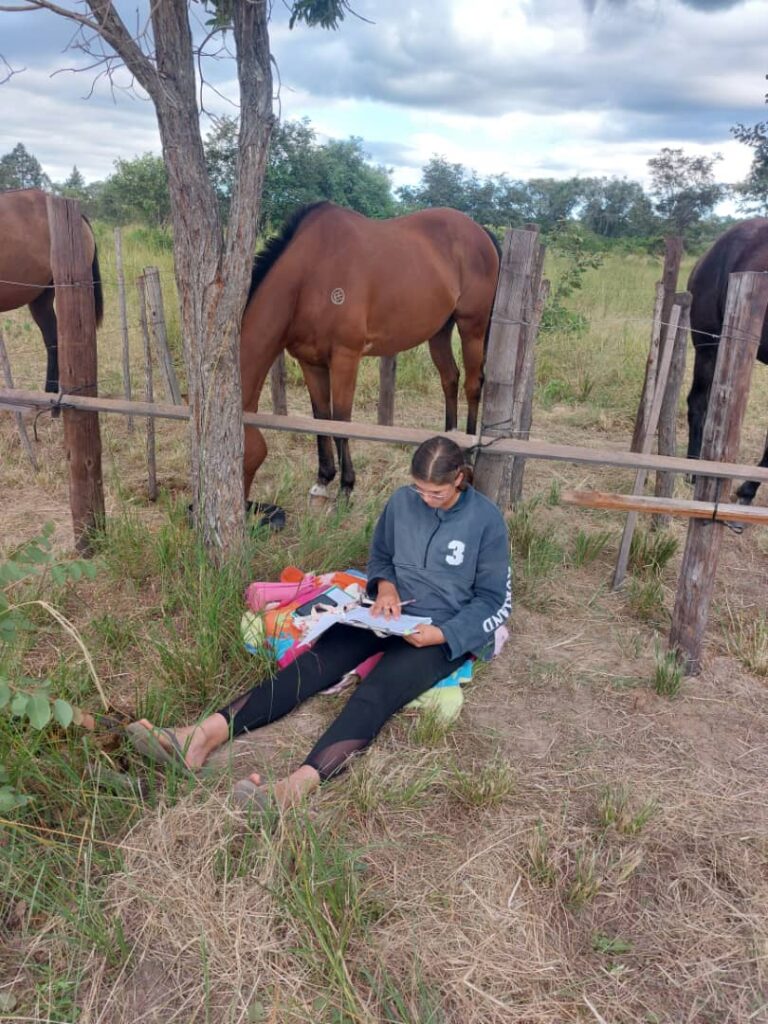
We chose an offline homeschooling programme for our children, due to the fact that we live in a rural community, where fast internet is not always available. The educational programme we have chosen for them, requires them to read and understand all their schooling material, in order to complete their assignments and tests. This has worked well for us, as we live in two locations and move around a lot. Our programme has made it easy for our children to take their schooling materials with them, often to locations where there is no internet available at all.
3. The Chore Conflict.
Always encourage your children to take on responsibilities early in life. It’s disheartening to observe the many parents who are not involving their children in household tasks. We believe that a family should work together, be it inside the home or outside in the garden. We encourage parents to foster a strong sense of belonging, within their children, which helps them feel more connected to the family unit.

Home chores.
Home chores are the first steps towards team work, so they should be regarded as valuable life lessons and very necessary skills for life. We always remind our children that they should never request someone do something for them, that they are not willing to do themselves, and to remember that no task is too lowly for them to take on.
Parents need to keep in mind the fact that their children will soon grow up to be adults, who will need to work to earn a living, so we believe that children should learn to embrace chores as vital training for adult life.
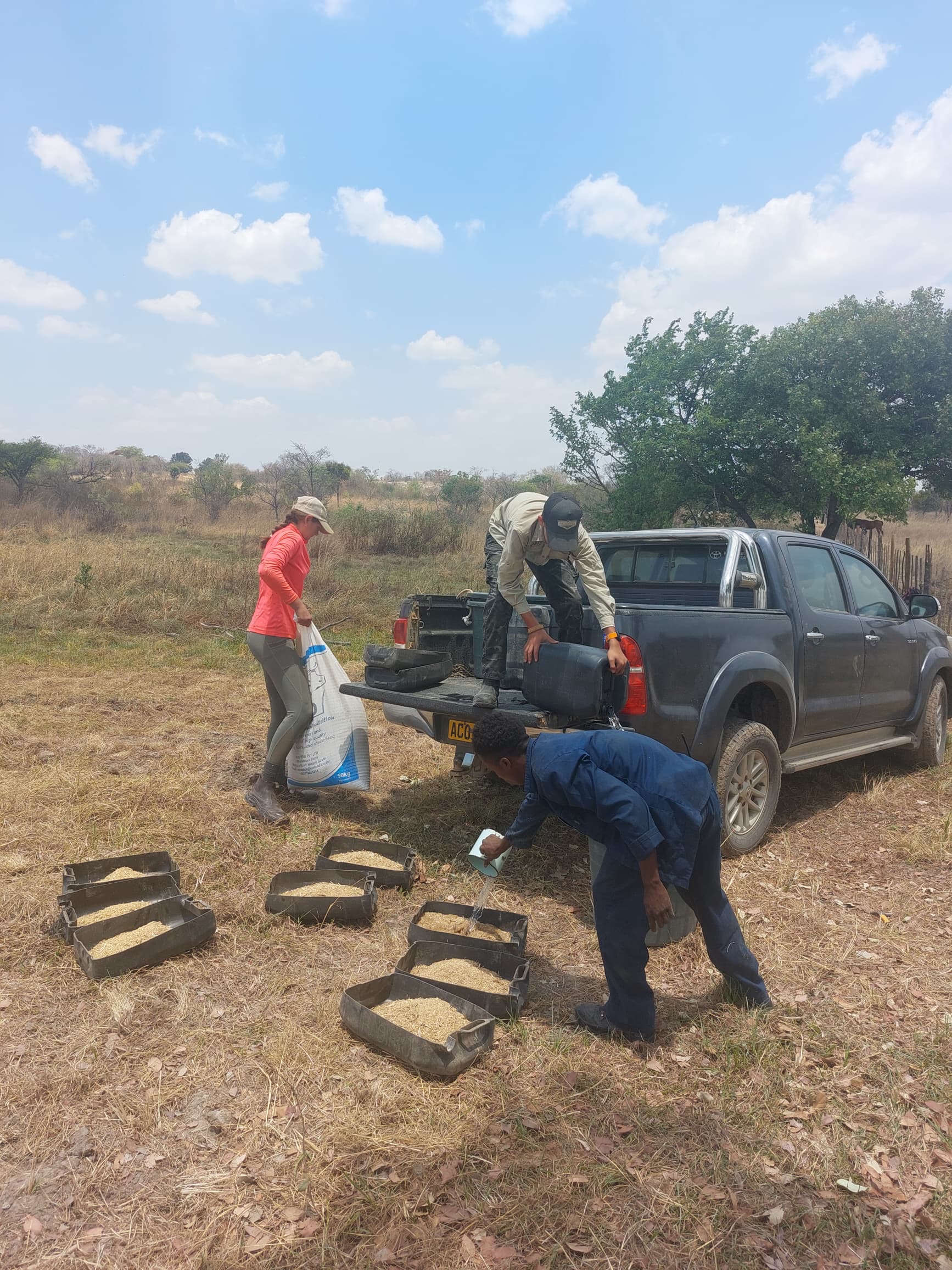
We have involved our children in household and garden chores, since they were young, and they have now progressing to earning extra money from their various side jobs, whilst still helping out at home. Acquiring new life skills will truly benefit them once they have left school.
4. The Meal Conflict.
Encourage your children to share meals as a family. Although our lives can be chaotic and fast-paced, dining together whenever possible, does strengthen family bonds. Family mealtimes and the conversations that accompany them, can be precious and invaluable. It is an opportunity for parents to hear news and concerns from their children and a time of bonding as the family unit.

Homeschooling and living and working on a farm means that we are fortunate enough to be able to gather together as a family, for every meal.This has given us an opportunity to plan and discuss the day’s activities and then, over the evening meal, there is time to reflect upon what we have all accomplished. We are amazed by the variety of topics we manage to cover as a family, during our mealtimes!
Offering a prayer of thanks before a meal fosters a greater appreciation for the food we have and an opportunity to remember all those people who are living in need and poverty. The meal table is a good place to start teaching one’s children to live with ‘an attitude of gratitude’.
5. The Boredom Conflict.
Being bored is not necessarily a negative! In our home we try to avoid using the words ‘I am bored’ as we believe that children do not need to be entertained all the time!
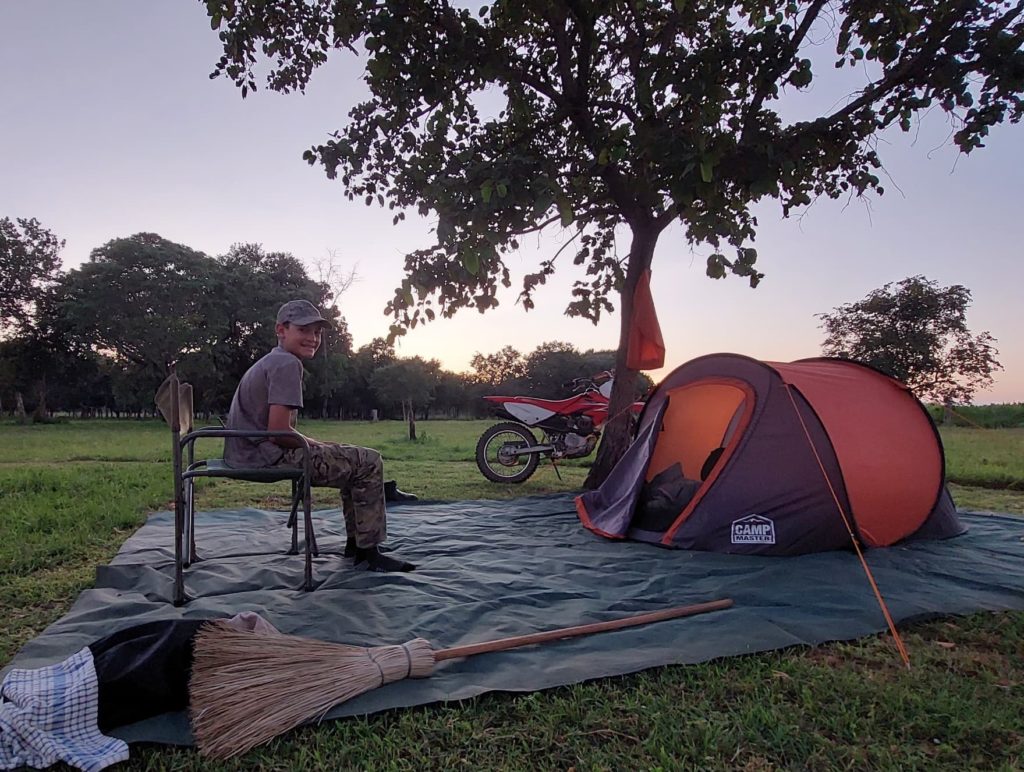
We should encourage our children to accept boredom and to use their spare time to do something constructive and creative. Perhaps avoiding giving your children screens to watch on every car ride and aim to use the time in the car for quality family interaction. Whilst travelling by car we have encouraged our children to take in their surroundings and learn to navigate and understand where they are and where they are going.
Set boundaries early and address complaints about boredom in a creative manner. If you constantly fill children’s time with distractions, you risk raising a child who is dependent on constant entertainment and activity. Teach them how to relax, just with their thoughts, and they will soon find ways to be creative in their boredom. In these days of increasing pressure children need periods of unorganised time to do unplanned things and to consider what they can do during those periods of unexpected gifts of time.

Our children have learned, since they were very young, to make the most of their free time. Now, as teenagers, they mostly use their free time constructively and do not complain about being bored. We are blessed with space and good weather, but there are also plenty of indoor hobbies to encourage children to enjoy, whenever they find that they have some free time.
6. The ‘Me First’ Conflict.
Children today have largely become more demanding, as our culture has moved far from the ‘children should be seen and not heard’ mantra of our grandparents day… However, the pendulum has swung too far and now children tend to be ‘center stage’, with some parents bowing to their every demand. In order to level the playing field and return to common sense, we need to teach our children to sometimes take a backseat, to allow others to step forward. It doesn’t have to be all the time, but do it frequently enough, for them to understand that the world does not revolve around them.

Others First.
Children need to learn to look for times and places where they can lend a hand, or take on extra tasks, in order to assist those around them. Help them to not only recognise the worth of others, but to prioritise other’s needs before their own.
One can begin with small actions, like allowing someone else to control the TV remote. Then, at mealtimes, teach them to offer food to others first, even if it means that they lose out on their favourite food option. They may not enjoy putting others first, but it’s important for them to improve their social manners, in order to develop an attitude that considers others. It is a case of teaching children to notice what is happening around them and to consider others equal, if not more important than themselves.

Since our own children have grown up playing cricket, we have taken on the responsibility to encourage them to support and care for other players, especially for those players who are weaker, or more vulnerable. We are also constantly reminding them of the need to be gracious in defeat, to congratulate winners and to always thank officials and coaches.
7. The Awkward Conversation Conflict.
Encourage your children to engage in challenging discussions about dating and sex, body image, social media and family values. You may feel awkward or hesitant at times, but most children do seek their parents insights, experience and guidance, on subjects that are very important to them, especially as teenagers.
Personally, I find that these conversations often take place in the car, where our children feel safe to ask tricky questions. We respond, trying to show no embarrassment, frustration nor emotion. We are careful not to reject their questions or suggestions, as we need to let our children know that they can discuss anything with us, without being fobbed off, or given a long lecture!
Today, children are under constant spiritual and emotional attack from their peers, the media and the internet. We need to help them cope with these attacks, by listening carefully to them, and by observing their everyday behaviour. Should we notice any negative changes, we need to act quickly!
8.The Limitation Conflict.
Understanding how to live within boundaries is an essential life skill for children to learn from as early age. Unfortunately, it is often the least emphasised. Neglecting this aspect of child rearing can lead to numerous challenges later on in their children’s lives.
Self Control.
Addiction is becoming an epidemic! Whilst there are many reasons for this, teaching children the invaluable lesson of self control is vital. Making sure that one’s children eat good healthy food and have regular mealtimes is very important for healthy living. Teaching children to think before they snack is also sound advice as there is a crisis right now, in affluent societies in particularly, where child obesity is rife.
Boundaries.
Boundaries definitely need to be put into place regarding screen time…This is where parents need to be observant, in order to make sure that their children are not retreating into their bedrooms, just to go online for hours on end, with no supervision. Helping children to monitor their screen time and making them aware of the perils of too much screen time will make a huge difference to their all-round healthy development.
Insisting upon hours of physical activity and involvement in sport is very important for a child’s health and development. Plus, having some hours of quiet time and times to just relax and recharge is essential for positive mental health.

Very important is teaching one’s children to understanding financial boundaries. Children should be taught the importance of money and need to appreciate what they have, rather than always coveting whatever others possess.
Recycling.
Within our family we have prioritised re-use and recycling of items, rather than placing great importance on a continuous supply of new, expensive material possessions. Teaching children to save for the things they want teaches them to delay satisfaction, rather than always satisfying their desire for instant gratification.

It is also a good idea to encourage a variety of interests in the lives of one’s children, so that they learn to set their own boundaries pertaining to the effort required to succeed in each of their chosen activities. This ensures a more balanced life and limits them obsessing over one item or activity, which could claim all their time and energy.
9. The Comfort Zone Conflict.
Children must be encouraged to step outside their comfort zones as they mature. They learn best when they engage in risky activities, – but always with caution. It’s important to recognise that this journey may include some challenges and tears. Whilst it requires bravery and faith to implement, stepping out into new challenges can be a significant boost to a child’s confidence. They soon discover just how much more they can do and it fosters within them a desire to continue to ‘step up to the plate’, without fear.
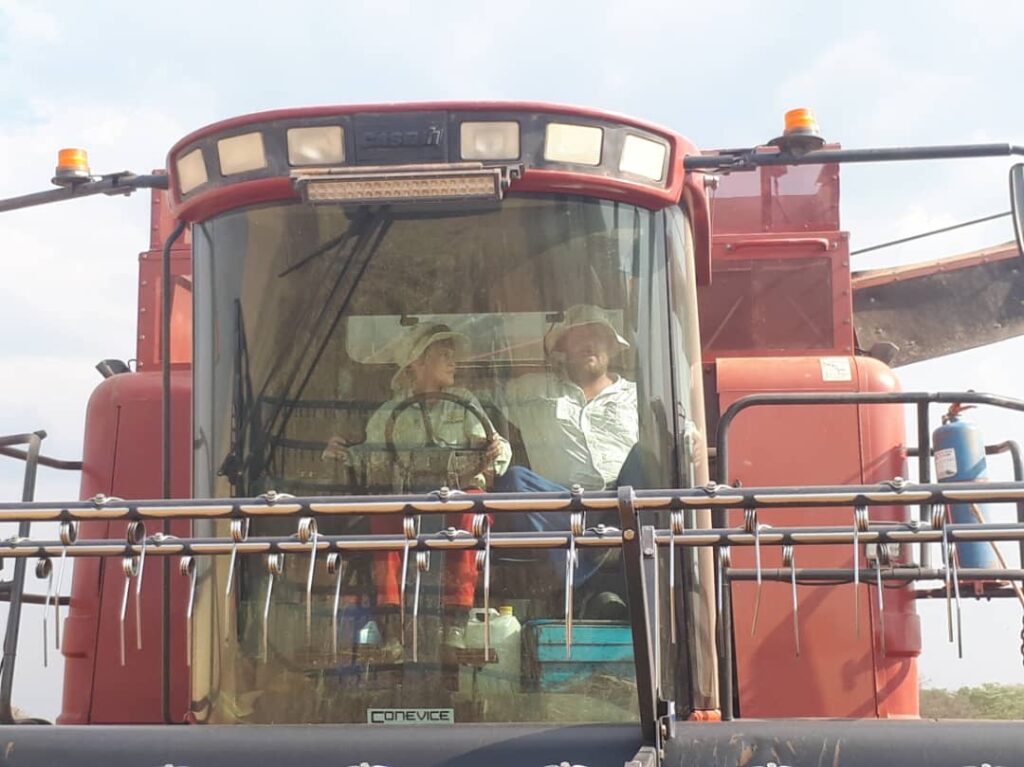
Venturing out, beyond their comfort zones, helps children grow as individuals and helps them to discover what they are actually capable of achieving. Life, in today’s world, requires individuals who are brave and confident.
Since they were young we have encouraged our children to confidently step up to new challenges. Now, as teenagers, they are eager to step out of their comfort zones and are reasonably confident in their ability to succeed at whatever they set their sights upon.

10. The Spiritual Conflict.
Keep in mind that Satan targets children. Prepare your children well, so that they can stand strong against all that is thrown at them!
Modern day life means that the dark, demonic influences are permeating movies, books, the internet, social media and even some school curriculums! Effective communication, education, and discernment are necessary to combat this ongoing struggle against all that is negative in today’s world. Don’t neglect to address this vital area of modern day child rearing, or your children will be at risk of losing their moral high ground.
This has been very important to us as a family, as we have realised that we are in a spiritual battle for the minds of our precious children. As a family, we have discussions
about the potential evils of the internet, drug and alcohol addictions and modern day sexual hookup culture,-etc.
We have a weapon!
Children need to study God’s Word, so that they can wield His Word as a powerful weapon. Assist your children to stay focused upon the Word of God and positive activities, rather than on all the worldly temptations out there! Above all, pray over your children and teach them to pray for themselves and for those around them.
11. The Giving Conflict.
Abundant life is fundamentally about giving, and we need to make our children aware of the fact that we do not live as individuals, but as a community. Teach them that assisting those around us can be one of the most rewarding activities in life.
Although they might resist at times, it’s essential to sit down with your children and help them to recognise that we live in a multicultural world. -A world that consisting of many differing societies and cultures and that some communities are struggling and that we can make a difference to those we find in need around us.

Teaching your children, from an early age, to assist those in financial need is also very important. Encourage them to donate a percentage of their income to the church, or they can distribute or purchase Bibles for others, or simply spend quality time with those who need company or attention.
It has been said that, if a child learns to give before the age of six, they will continue to do so throughout their lives, so it is very important to focus upon this truth, as soon as they can understand the words ‘charity begins at home’. This practice serves as an important developmental tool for your children and helps them to see themselves as part of a global community. They need to realise this as soon as possible, if they are to live in harmony with those around them.
12. The Friendship Conflict.
They say that to understand someone’s future, you should look at their friends. This is crucial because if your child associates with the wrong crowd, they may adopt negative behaviours. It is essential that we advocate for our children, whilst guiding them towards positive friendships and away from harmful ones.

– Remember, God places people in our lives and He can sometimes remove them. With prayer and humility, we should be able to discern which friends have a positive influence on our families, and which friendships we should discourage. Do not hesitate to help your child to understand which friendships are beneficial to them and which are not.
Sometimes your children may not be popular, which can be very hard for them… However, they need to learn that choosing friends, who enhance their lives and who share common values and Godly principles, makes for better and longer friendships. We also need to encourage them to seek friendships with children from homes which have values similar to their own family’s values and beliefs. This will largely eliminate unnecessary tensions and strife.
Conclusion:
As a parent it is very important to select your battles carefully. Some interactions may be tough, but the effort to solve negative issues is always worthwhile. Don’t leave things to chance, and don’t let negativity take over. Remember, avoid being that parent who relies on others to settle their children’s issues and disputes.

Embrace your role as the incredible parent you are meant to be. You are not your child’s buddy,- you are their loving parent, mentor, spiritual guide, educator, and figure of authority. Acknowledge your position in the family and enjoy the journey. Be resolute and embrace the parent figure God meant you to be. It is an awesome and rewarding privilege,
which should be acknowledged and valued. Life within a family is not all about being popular… It is a journey that is often difficult, full of challenges and much decision making.

Keep praying and engaging consistently with your children. Always keep in mind that, with the grace of God, an abundant and positive family life is achievable. seek Him, who understands all things, to lead and bless you and your family.
Always remember: The benefits of addressing family challenges greatly surpasses all the ups and downs along the way…
Prayer: Dear Heavenly Father, I am grateful for the blessing of being a parent. Please guide me in fulfilling this role to the best of my ability. Please lead me in every step I take. I understand that without You, Godly parenting is not possible. I shall continue to seek Your guidance, wisdom, and strength. Thank You for always being there for me and my family. In Jesus’ name, I pray. – Amen.
- Our Homeschooling Adventures and Activities for Jul-Aug 2026.
- Fothergill Island-a Families Paradise.
- Our Homeschooling Adventures and Activities for May-June 2026.
- 12 Conflicts Worth Engaging in with Your Children.
- Our Homeschooling Adventures and Activities for Mar-Apr 2026.




You must be logged in to post a comment.